By GiveGrove• 7 min read • Published 2026
If your gala is in March, April or May, the time to start planning it is now, in the fall. Spring gala season feels a long way off in October. Venues, sponsors and your supporters' calendars don't see it that way, and the organizations that open ticket sales early head into winter with money already coming in.
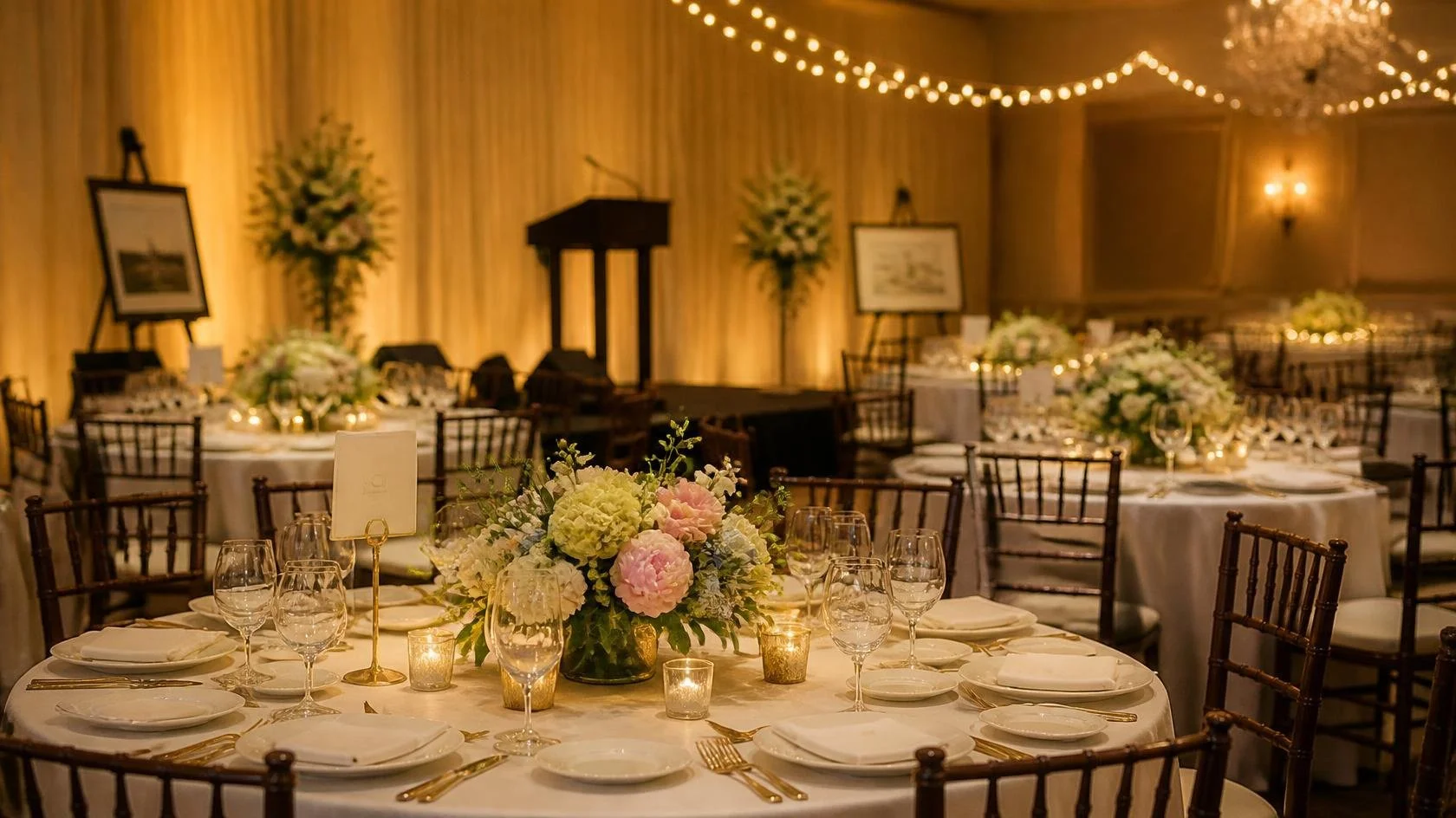
When should you start planning a spring gala?
Start planning a spring gala six to nine months before the event. For an April gala, that means picking the date and booking the venue in September or October, and opening ticket sales before the holidays.
The venue usually sets the clock. Premium venues in major cities book 9 to 12 months ahead for weekend dates, and spring Saturdays are some of the most fought-over dates of the year, because every school, hospital foundation and arts group wants the same handful of weekends. Sponsors run on a calendar too. A local business that sets its giving budget in January can't make room for you if you ask in March.
There's a second reason to start early, and it's the one committees miss. Gala planning tends to get treated as one big interlocking thing, where nothing launches until everything's ready. Honestly, most of it isn't connected. You can sell tickets months before you have a single auction item, and you should.
Sell tickets now, build the auction later
The simplest way to do this is to put your gala page up in the fall with tickets on sale and nothing else finished. The silent auction, live auction and Fund-a-Need get added to that same page over the winter, once there's something to put in them. On GiveGrove, the ticket page has its own publish switch, so ticketing can go live while the rest of the event is still being built.
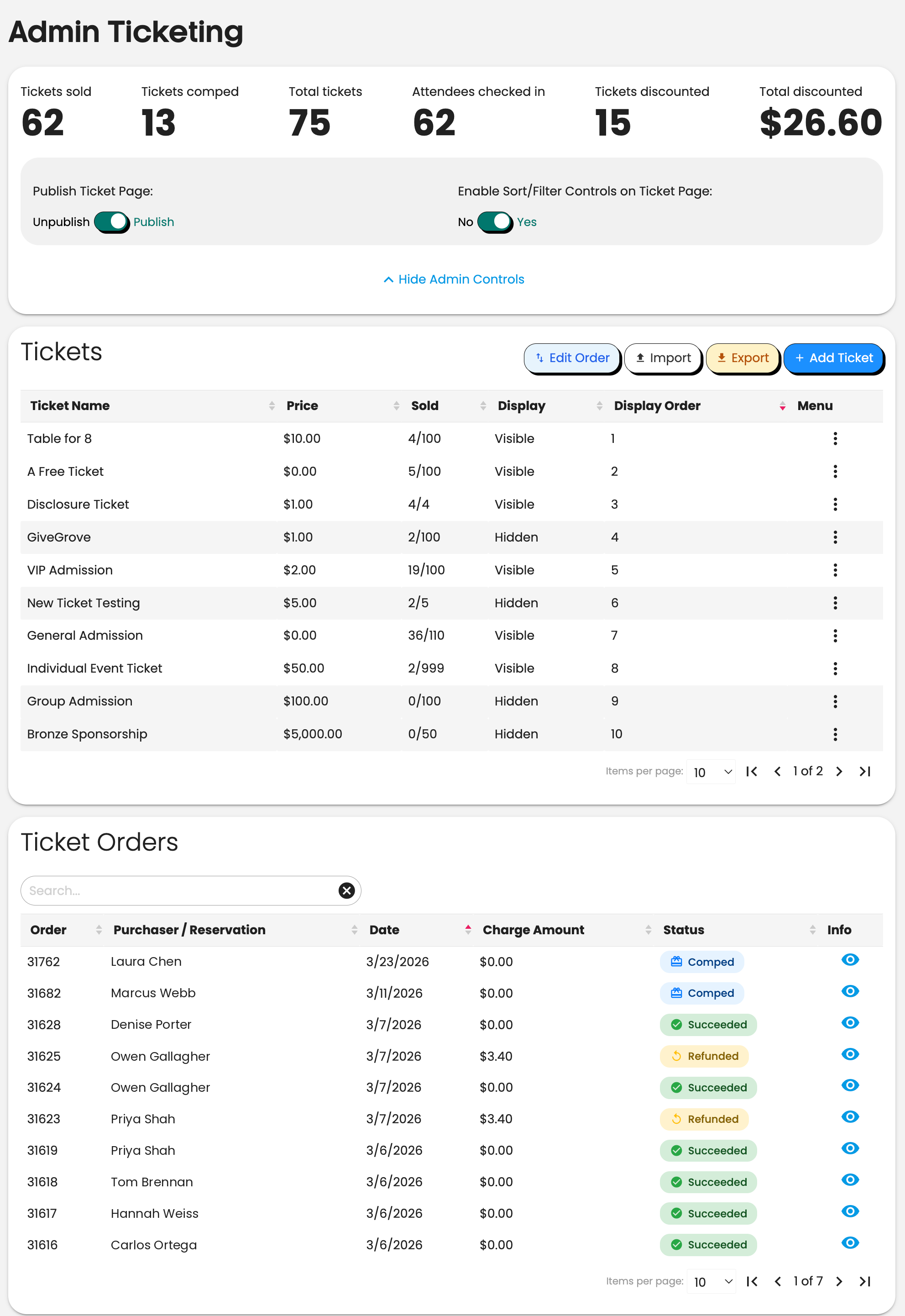
In the fall, that page does one job. It shows the event, sets the look, and lets guests buy a ticket. People who already know they're coming can commit today instead of waiting for an invitation in February. Meanwhile the auction committee gets the whole winter to collect donated items, and nobody is asking where the bidding page is, because the bidding page isn't supposed to exist yet.
Reserve your gala URL, theme and colors early
GiveGrove doesn't charge anything to create or build an event, so you can set up your gala page a year in advance and claim the web address you want before someone else does. A short event address ends up on save-the-dates, sponsor decks, table signs and the program. You want it settled before any of those go to the printer.
Getting the page up early also forces the design decisions that otherwise drift into February. Pick the theme, the colors and the logo once, put them on the event page, and every flyer and email after that has something to match. Committees can lose whole meetings to whether the accent color is navy or midnight. A live page ends that conversation.
Ticketing is the last thing worth deciding in the fall. Work out your tiers (single seats, couples, full tables), your early-bird price and the date it ends. Raising prices on people who are already shopping feels bad for everyone. Setting them now gives you room to think it through.
Why sell gala tickets early?
Selling gala tickets early puts money in your account months before the event. On GiveGrove that happens as each ticket sells, because GiveGrove pays out in real time. A guest who buys a ticket in November is funding your gala in November, not after it's over.
That matters because most gala costs show up before the gala does. The venue deposit, the catering deposit, invitations and decor all get paid in the winter. Ticket revenue that's already in the bank can cover those instead of borrowing from the operating budget and hoping May pays it back.
Early sales also give you information while you can still act on it. If a third of your seats are gone by January, hold firm on price and think about adding a table. If sales are slow, you've got months to fix it, not a frantic final two weeks. And guests who bought in the fall have already decided to come, which makes them the easiest people to reach later about auction previews and sponsorships.
When should you build the silent and live auction?
Build the silent auction, live auction and other fundraising modules in the last two to three months before a spring gala, once most donated items are in hand. On GiveGrove you add those modules to the same event page guests have been visiting since fall, so the ticketing page simply grows into the auction page.
Waiting is the right call here. Item procurement takes months, and an auction page with six items on it in December looks thin. Guests who see it then remember it as thin. Once the items are photographed and written up, publish the auction page so guests can browse and share it. Then open bidding about three to five days before the auction closes. On GiveGrove, three to five day auctions raise the most: fewer than one bid in five comes on the first day, and longer windows lose their urgency. Live auction lots can go up even later, since they're usually a few big packages your auctioneer builds the night around.
The exception is your giving moment, the point in the night when guests give toward one specific purchase or program. On GiveGrove you can run it two ways: through the Fund-a-Need module, where guests give at set levels, or as a paddle raise inside the Live Auction, where your auctioneer calls the levels and guests raise their paddles. Either one works. Whichever you choose, run the ask through that one module so guests know exactly where to give. Build it late if you like, but decide what it's funding in the fall. A clear ask ("a new van for the after-school program") gives every email between now and the gala something concrete to talk about, and that story is what makes the moment land on the night.
A month-by-month spring gala planning timeline
Here's roughly how the year breaks down for an April gala. For a March or May event, slide everything a month in either direction.
| When (April gala) | What to get done |
|---|---|
| September to October | Set the date and fundraising goal, book the venue, create the event on GiveGrove and claim your URL |
| October to November | Settle the theme, colors and ticket tiers, then open ticket sales with an early-bird price |
| November to December | Send save-the-dates and ask sponsors before their annual budgets close; choose your Fund-a-Need focus |
| January | End early-bird pricing, start collecting auction items, book the auctioneer and entertainment |
| February | Keep collecting items, photograph and write up what's come in, line up volunteers |
| March | Build the silent auction, live auction and Fund-a-Need on your GiveGrove event; publish the auction page so guests can browse items as they're listed |
| Final two weeks | Last ticket push, test check-in and checkout, train volunteers; open bidding about three to five days before the auction closes |
| Two weeks after | Send thank-yous and receipts, review what sold and what didn't |
Spring gala planning FAQ
How far in advance should you plan a spring gala?
Plan a spring gala six to nine months ahead. Book the venue first, since popular spring weekend dates can fill up close to a year out, then open ticket sales in the fall so you have time to build momentum before invitations go out.
Can you sell gala tickets before the auction is ready?
Yes, and it's usually the smarter order. Ticket buyers are committing to the evening, not to specific auction items, so there's no reason to make them wait. On GiveGrove you can sell tickets now and add the silent auction, live auction and other modules to the same event page later.
Does it cost anything to set up a GiveGrove event early?
No. GiveGrove doesn't charge to create or build an event, so setting up your gala page a year ahead costs nothing. That lets you reserve your event URL and settle the theme, colors and ticketing long before the night itself.
When do you receive ticket money on GiveGrove?
GiveGrove pays out in real time, so ticket revenue reaches your organization as guests buy, not after the event. Many organizations use that early money to cover venue and catering deposits.
When should a gala silent auction open?
Publish the auction page once most items are listed with photos and descriptions, so guests can browse and share it. Open bidding about three to five days before the auction closes, and schedule the close for before the gala ends so you can announce winners while guests are still there. On GiveGrove, three to five day auctions raise the most, and auctions that run two weeks or more raise about half as much.
Start this spring's gala now
The organizations that have the calmest March are the ones that did the easy parts in October. Get the date and venue settled, put your event page up, start selling tickets and let that money carry you into winter. The auction can wait until there's something to auction. If you'd like help setting up your spring gala on GiveGrove, reach out and we'll walk you through it.
Thanks for trusting GiveGrove with your fundraisers!
The GiveGrove Team 🍋
A Code Works company
GiveGrove makes events and auctions for fundraising easy. Email info@givegrove.com for more info. Click here to sign up for our mailing list.